
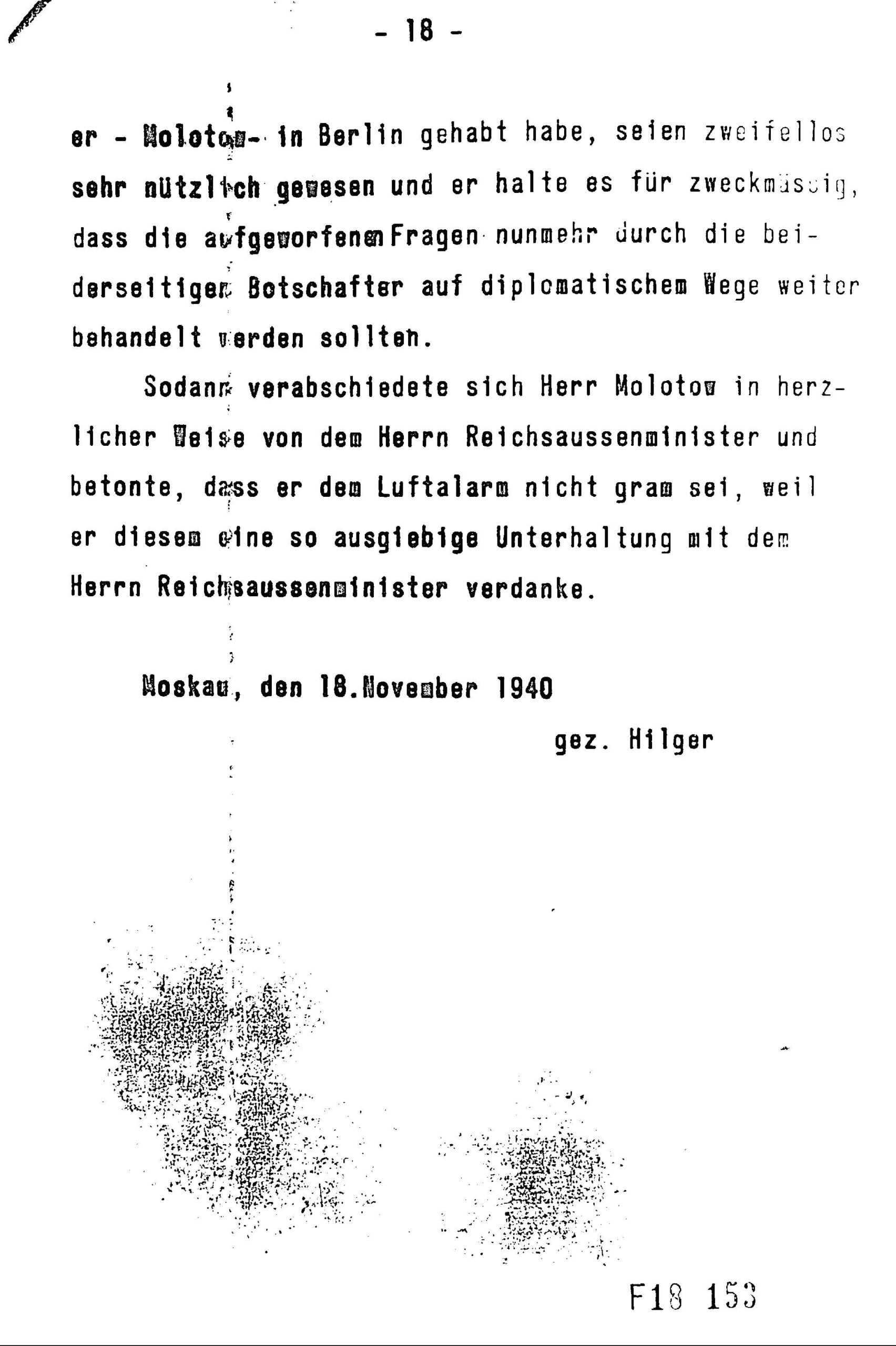
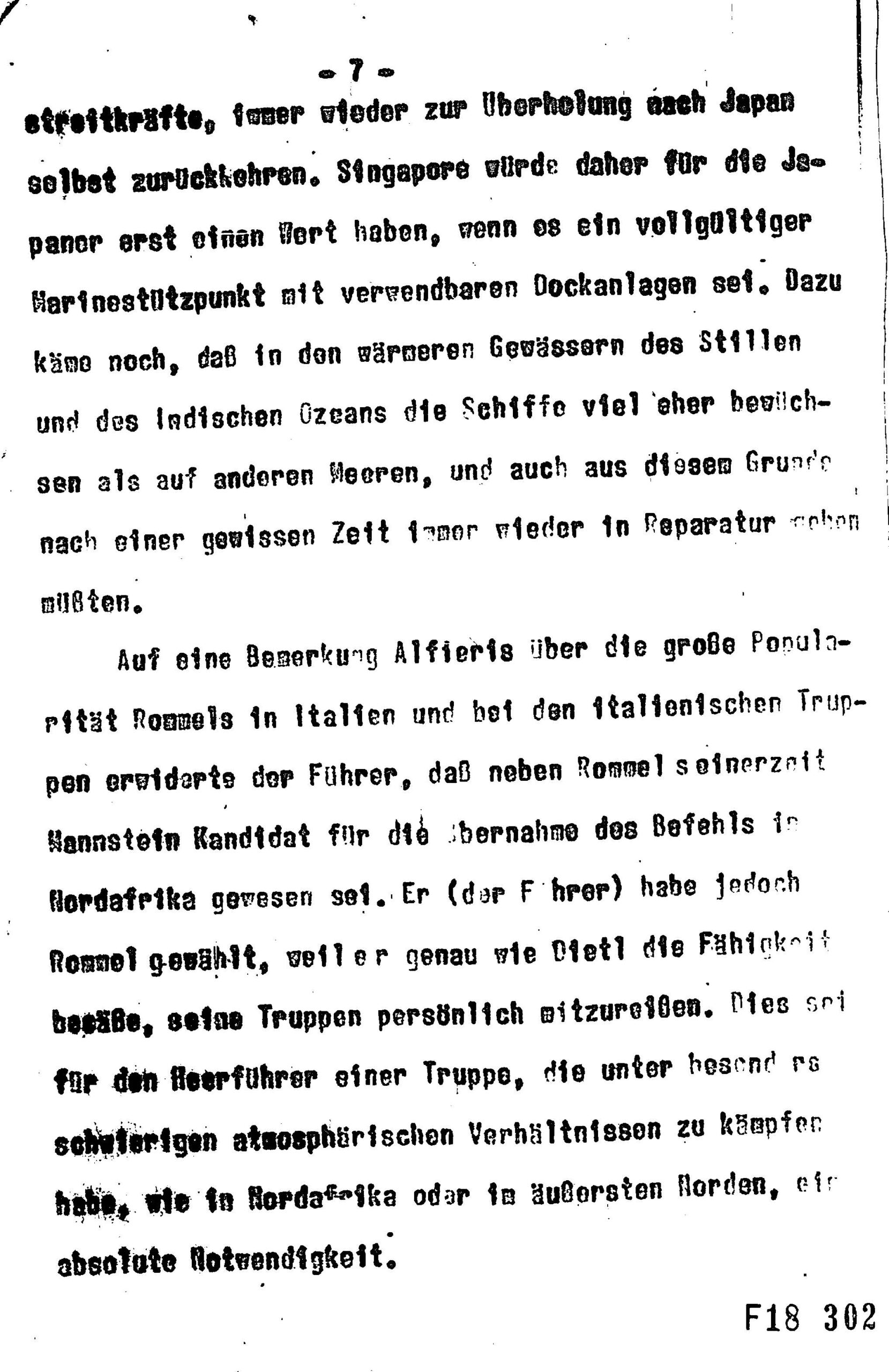
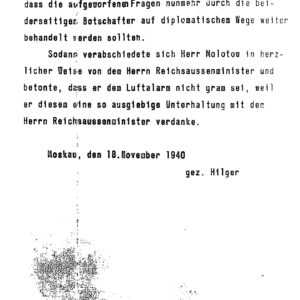
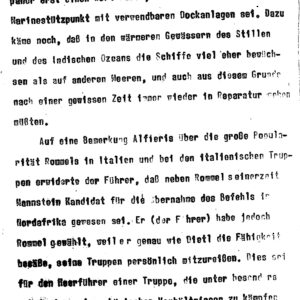
This file contains a full draft of the German–Spanish “Sonderabkommen über den Warenverkehr” (Special Agreement on Trade in Goods) together with correspondence, annexes, and covering memoranda on associated political discussions.
Main contents include:
- Draft text of the trade agreement (c. 30 pages) defining mutual export–import lists, credit mechanisms, and enforcement procedures.
- Commodity Annexes I and II:
– List I (Germany → Spain): grain, flour, mineral oils, coke, soda nitrate, ammonium nitrate, potash nitrate, acetone, vaseline, dimethylamine, diphenylamine, toluene, nitrate fertilizers.
– List II (Spain → Germany): iron ore, pyrites, zinc ore, lead, wolfram concentrate, mercury, wool, hides, resin, turpentine, olive oil, furs, corkwood, almonds, sardines, citrus fruits, dried fruits, wines, anchovies, medicinal herbs (anise, capers, saffron). - Financing and administration clauses: creation of an 80-million-peseta credit, establishment of a “Sonderkonto Rowak–Sofindus” at the Reichskreditgesellschaft, and Spanish licensing protocols for exports.
- Secret communications between Berlin and Madrid conveying the deutsch-italienisch-spanisches Protokoll via diplomatic courier.
- Letters and reports summarising Ribbentrop’s and Suñer’s talks, including political and military undertones of possible Spanish entry into the war.
- Supplementary material: naval equipment and optical supply lists, industrial surveys, and internal memoranda concerning German economic relations with other European states (France, Romania, Hungary).
- Spanish-language appendices outlining industrial data and procurement notes.
Contextual time span: early 1938 documents appear as background; the bulk (90%) from July–December 1940.
Disclaimer
This document is a digitised reproduction of an original record created by the German Foreign Ministry (Auswärtiges Amt) during the Second World War. It is presented here solely for historical and research purposes as part of the Irving Collection digital archive.
The content reflects the language, perspectives, and political context of the Nazi regime, and may include terminology, views, or policies that are offensive or discriminatory by modern standards. Their inclusion does not imply endorsement of those ideas or of the actions described.
Researchers and readers are advised to approach this material with critical awareness. The Irving Collection provides access to such documents to support the study of primary sources, wartime diplomacy, and historical accountability, not to promote any ideology or interpretation.
Use, citation, or reproduction of this material must include the source credit:
The Irving Collection – German Foreign Ministry Files, 1938–1940.
Condition Note
The file survives as a 520-page carbon-copy typescript from the Auswärtiges Amt series, overall in good but variable condition. Most pages are legible and structurally intact, though the copy quality fluctuates: some sheets show faint or over-inked type, light smudging, and occasional paper warping consistent with wartime duplicating processes. Several late pages (around pp. 460–490) exhibit blurred text and uneven tonal contrast, likely from microfilm degradation. Margins and pagination remain intact, no major loss of text detected.
4 Page SampleGerman–Spanish Economic Negotiations, 1940 Draft Trade Agreement (Irving File F-18)


Reviews
There are no reviews yet.